Furla Leather Sneakers in Green: Fit, Style & Care Guide
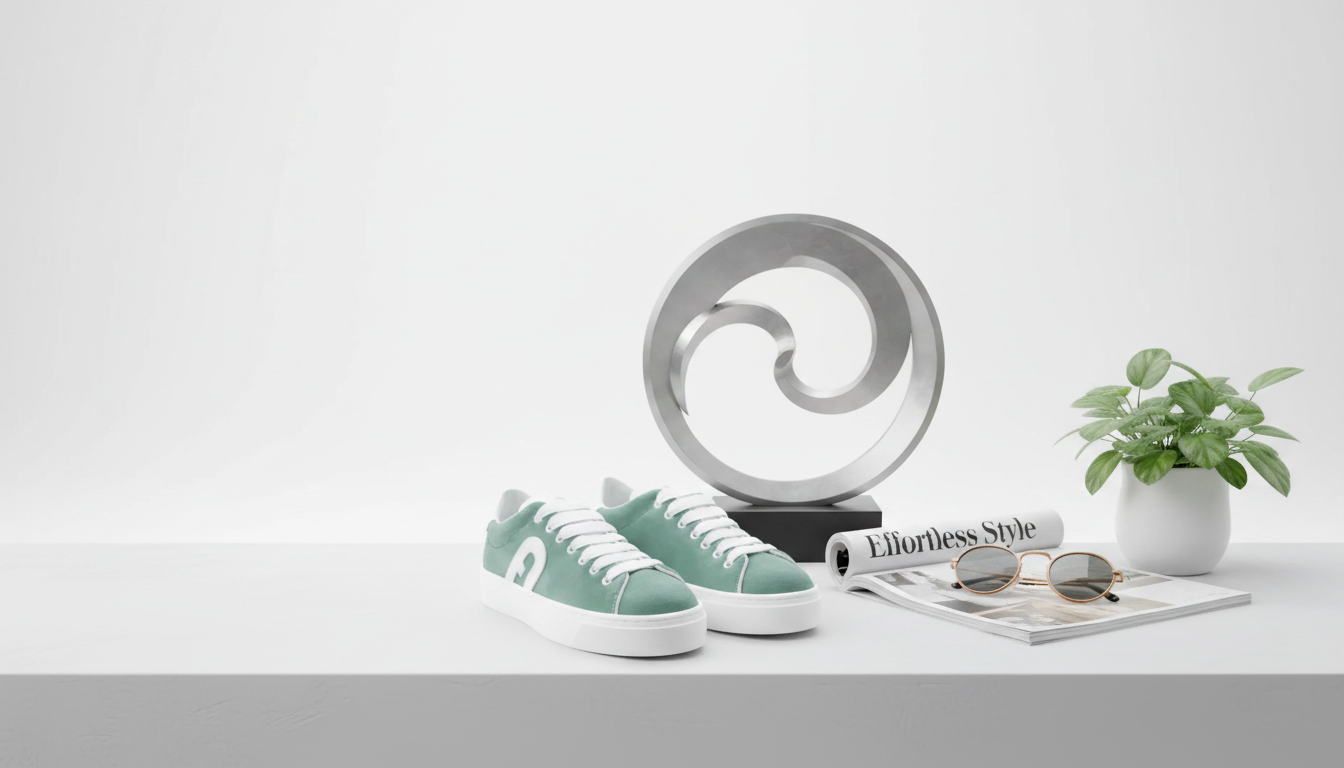
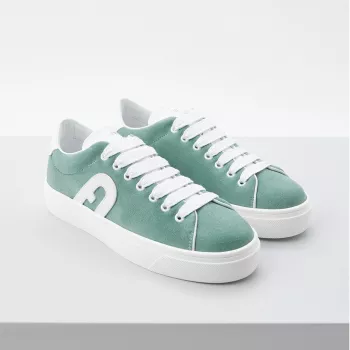
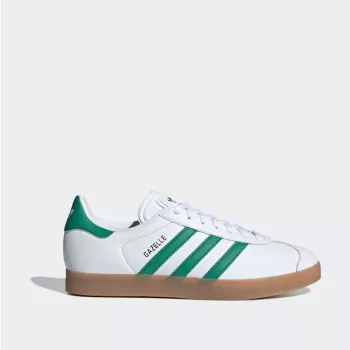
Furla Green Leather Sneakers: Clean Color, Polished Comfort
Green leather sneakers bring a refined twist to everyday outfits—easy to dress up, relaxed enough for daily wear, and striking without feeling loud. A polished green reads intentional in a way that standard white or black sometimes doesn’t, especially when the silhouette stays streamlined. Below is a practical guide to what matters most in leather sneakers, how to wear and care for them, and how the Furla Green Leather Sneakers stack up against other in-stock choices. For more guidance, see Veterinary Shoes | Clove.
What Makes These Leather Sneakers Stand Out
A well-chosen green sneaker can become a “neutral with personality.” The key is a clean upper, consistent color, and an everyday-friendly shape. For further reading, see Best and worst types of shoes for veterinary technicians.
- Versatile color with more character: Green leather offers a distinctive alternative to standard white or black while pairing smoothly with denim, beige, gray, navy, and even tonal creams.
- Leather’s polished look: Leather uppers typically look smoother than many textiles and can hold their shape better over time when cared for properly.
- Streamlined profile: A sleek sneaker reads elevated for casual offices, dinners, and travel days where an athletic running-shoe vibe can feel out of place.
- Finish details matter: Even stitching, clean panel alignment, and a consistent color tone across the upper usually signal a more premium build.
For a deeper dive into leather maintenance basics, the care guidance from Wirecutter’s leather shoe care guide is a helpful reference point for cleaning and conditioning routines.
Quick Comparison: In-Stock Sneakers at a Glance
If you’re deciding between a fashion-forward green leather pair and more classic black options, compare the overall positioning first—then choose based on the outfits you actually wear and the conditions you’ll wear them in.
| Product | Upper Material (as listed) | Color/Style Note | Price (USD) | Availability |
|---|---|---|---|---|
| Furla Green Leather Sneakers | Leather | Green, polished casual | 127.51 | In stock |
| Ash Women’s Leather Sneakers | Leather | Women’s fashion sneaker | 200.51 | In stock |
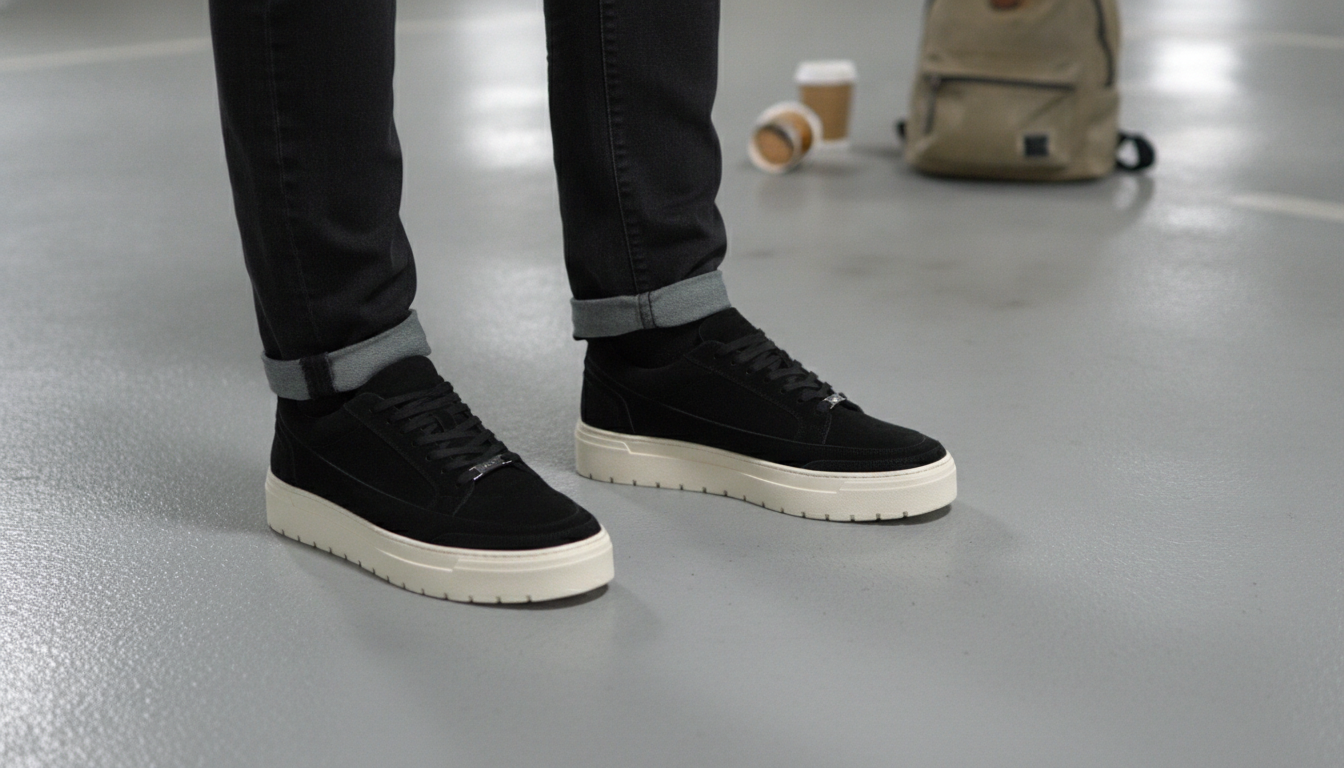
| New Balance 480 Black Leather Sneakers | Leather | Black, classic court style | 51.01 | In stock |
| New Balance Men’s Black Synthetic Lace-Up Sneakers | Synthetic | Black, easy-care everyday | 86.43 | In stock |
- Material choice changes the experience: Leather vs. synthetic affects feel, break-in, and long-term appearance—decide whether easy wipe-downs or natural material is the priority.
- Color and silhouette drive daily satisfaction: The best pair is the one that works with what’s already in rotation and matches the “vibe” of how you dress most days.
Fit and Comfort: Getting the Right Feel
Leather sneakers often start structured, then relax into a more personal fit. The goal is secure without squeeze—especially around the forefoot and heel.
- Expect a short break-in: Leather commonly softens after a few wears; a snug-but-not-tight fit often becomes more comfortable as the upper loosens slightly.
- Prioritize toe room: Toe space matters more than length alone—make sure the forefoot isn’t pinched when standing and walking.
- Check heel security: Heel hold helps prevent rubbing; if possible, walk on a hard surface to test for heel slip.
- Socks influence sizing: Thin socks keep a sleeker look; thicker socks add cushioning and can change how the shoe fits. If you’re between sizes, decide which you’ll wear most.
- Ease into longer wears: Start with 1–2 hours for the first few outings, then increase gradually to avoid hotspots.
Styling Ideas for Green Leather Sneakers
Green sneakers shine when the rest of the outfit is calm and intentional. Let the color do the work without competing with it.
Leather Care and Cleaning That Preserves Color
For additional guidance on leather handling and care, consult resources from Leather UK, which outlines practical do’s and don’ts for keeping leather looking its best.
When to Choose These vs. Other Options
- Choose the Furla green leather option when a refined, fashion-forward sneaker is the goal—one that still fits naturally into everyday casual outfits.
- Choose a black leather court-style pair when maximum outfit compatibility and a classic silhouette matter more than making a subtle color statement. The New Balance 480 Black Leather Sneakers are a straightforward example of that direction.
- Choose synthetic uppers when quick wipe-down maintenance and weather tolerance are higher priorities than leather’s look and feel. Consider the New Balance Men’s Black Synthetic Lace-Up Sneakers for that easy-care lane.
- For frequent all-day wear, prioritize cushioning, foot support, and breathability alongside appearance—comfort features matter more the longer you’re on your feet.
Buying Checklist Before Checkout
FAQ
Are leather sneakers comfortable for all-day wear?
They can be, especially once the leather breaks in and softens. Fit is the biggest factor—secure heel hold, enough toe room, and the right sock thickness often make the difference for long days. For heavy daily use, cushioning and support features become just as important as the upper material.
How can green leather sneakers be cleaned without fading the color?
Stick to gentle wipe-downs with a microfiber cloth and use diluted mild soap for light dirt. Avoid soaking the leather and never dry them near direct heat; both can cause discoloration. Spot-test any cleaner or conditioner first and use conditioning sparingly to keep the finish stable.
Do leather sneakers stretch over time?
Leather typically relaxes and softens slightly with wear, which can feel like a small amount of stretch. Start with a snug fit that isn’t tight, making sure your toes aren’t pinched and your heel doesn’t slip. If they’re painful or cramped at the start, they’re unlikely to “stretch enough” to fix the fit.






Leave a comment